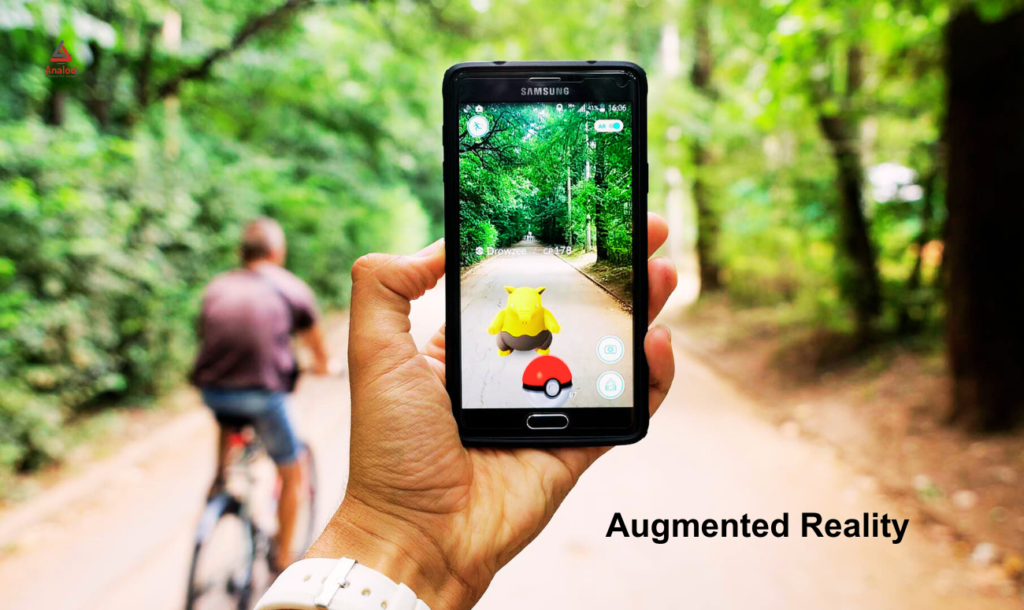
Augmented Reality (AR) has emerged as a transformative technology, blurring the lines between the digital and physical worlds. This cutting-edge technology overlays virtual information onto the real-world environment, enhancing our perception and interaction with the surroundings. As AR continues to evolve, its applications span various industries, promising to reshape the way we work, learn, and play.
Understanding Augmented Reality:
At its core, Augmented Reality integrates digital information into the user's real-world environment in real-time. Unlike Virtual Reality (VR), which immerses users in a completely simulated environment, AR enhances the existing reality by adding layers of digital content. This is achieved through devices such as smartphones, AR glasses, and headsets equipped with cameras, sensors, and display technologies.
Applications Across Industries:
At its core, Augmented Reality integrates digital information into the user's real-world environment in real-time. Unlike Virtual Reality (VR), which immerses users in a completely simulated environment, AR enhances the existing reality by adding layers of digital content. This is achieved through devices such as smartphones, AR glasses, and headsets equipped with cameras, sensors, and display technologies.
Education:
AR is revolutionizing the education sector by providing immersive and interactive learning experiences. Students can explore historical events, dissect virtual organisms, or interact with 3D models, bringing textbooks to life and making learning more engaging.
Healthcare:
In the healthcare industry, AR plays a crucial role in surgery planning, medical training, and patient care. Surgeons can use AR to visualize patient data in real-time during procedures, enhancing precision. Medical students can practice surgeries on virtual patients, and AR can assist patients in understanding their diagnoses and treatment plans.
Retail:
AR is reshaping the retail landscape by offering customers personalized and interactive experiences. Virtual try-on applications allow users to see how clothing or accessories look on them before making a purchase. AR-enhanced catalogs and displays provide additional product information, creating a more engaging shopping experience.
Gaming:
The gaming industry has embraced AR with popular titles like Pokémon GO, where players use their smartphones to catch virtual creatures in the real world. This fusion of digital and physical environments enhances the gaming experience and encourages outdoor exploration.
Manufacturing and Maintenance:
AR is streamlining processes in manufacturing and maintenance by providing real-time information and guidance to workers. Technicians can use AR glasses to view step-by-step instructions overlaid on machinery, reducing errors and improving efficiency.
Challenges and Future Prospects:
While AR has made significant strides, challenges remain, including concerns about privacy, technical limitations, and the need for more user-friendly interfaces. However, ongoing advancements in hardware and software are addressing these issues, paving the way for broader AR adoption.
The future of AR holds exciting possibilities. As technology continues to evolve, we can expect more immersive experiences, improved functionality, and increased integration into our daily lives. From augmented workplace environments to enhanced social interactions, AR is poised to redefine the way we perceive and interact with the world around us.
The future of AR holds exciting possibilities. As technology continues to evolve, we can expect more immersive experiences, improved functionality, and increased integration into our daily lives. From augmented workplace environments to enhanced social interactions, AR is poised to redefine the way we perceive and interact with the world around us.
Conclusion:
Augmented Reality is not just a technological novelty; it's a paradigm shift that has the potential to reshape industries and elevate our everyday experiences. As we embrace the boundless possibilities of AR, we find ourselves on the cusp of a new era—one where the virtual and the real seamlessly coexist, opening doors to innovation, creativity, and a more connected world.