
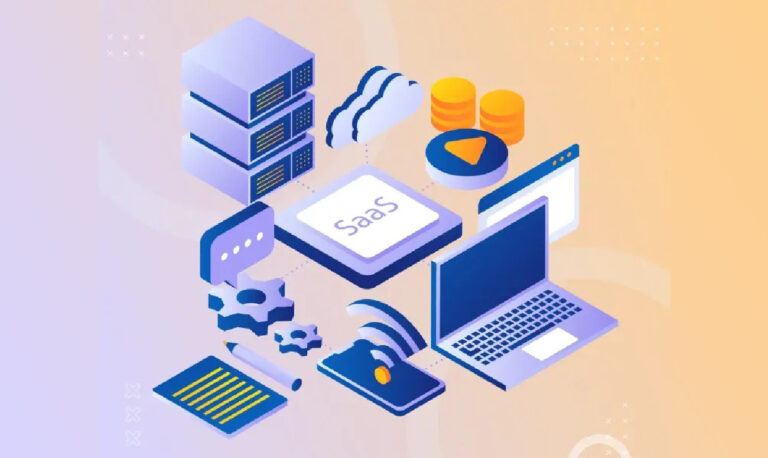
Software as a Service (SaaS) has gained immense popularity in recent years, offering businesses scalable and cost-effective solutions. If you're considering developing a SaaS-based product, it's crucial to have a clear understanding of the costs involved. From development and infrastructure to maintenance and support, this blog post will walk you through the key factors that contribute to the overall cost of building a SaaS-based product.
1. Development and Design Costs:
The development and design phase is where your SaaS product takes shape. The cost of development largely depends on the complexity of your product and the expertise required. It includes expenses such as hiring developers, UI/UX designers, and project managers, as well as the tools and technologies needed to build and test the software.
2. Infrastructure Costs:
To run a SaaS-based product, you'll need a robust and scalable infrastructure. This includes servers, databases, networking, storage, and security measures. Infrastructure costs can vary based on factors like the size of your user base, anticipated traffic, and the level of redundancy required for high availability.
3. Cloud Service Provider (CSP) Costs:
Most SaaS companies leverage cloud platforms like Amazon Web Services (AWS), Microsoft Azure, or Google Cloud Platform (GCP) to host their applications. These platforms offer various pricing models based on factors such as resource usage, storage, data transfer, and additional services. Understanding the pricing structure of your chosen CSP is essential to estimate ongoing costs accurately.
4. Third-Party Integrations:
SaaS products often rely on third-party integrations for essential features like payment gateways, analytics, customer support, and marketing tools. While these integrations can enhance your product's capabilities, they may come with additional costs, such as licensing fees or transaction fees based on usage.
5. Maintenance and Upgrades:
Building a SaaS product is not a one-time investment. Ongoing maintenance, bug fixes, and regular updates are essential to keep your product running smoothly and secure. This may involve dedicated engineering resources or outsourcing maintenance to a third-party provider. The cost of maintenance should be factored into your budget to ensure long-term viability.
6. Customer Support:
Providing exceptional customer support is crucial for SaaS businesses. This includes support channels like email, live chat, and phone support, as well as hiring support staff and investing in ticketing or help desk software. The cost of customer support can vary depending on the level of support you aim to offer and the size of your customer base.
Conclusion:
Building a SaaS-based product requires careful consideration of various cost factors. From development and infrastructure to ongoing maintenance and customer support, understanding the full scope of expenses is essential for budgeting and ensuring the success of your product. By taking these factors into account and planning accordingly, you can make informed decisions and set realistic expectations for your SaaS venture.